IMF ranks Thailand among elite exporters for AI hardware
วันที่นำเข้าข้อมูล 21 ส.ค. 2569
วันที่ปรับปรุงข้อมูล 21 ส.ค. 2569
Thailand has been ranked among the world’s four largest exporters of AI-related hardware by the International Monetary Fund (IMF), underscoring the Kingdom’s growing role in global technology supply chains, as it pushes to transform itself into a regional hub for AI and semiconductor manufacturing.
The IMF placed Thailand alongside Taiwan, Malaysia, and South Korea as the world’s leading exporters of AI-related hardware, while also upgrading its forecast for Thailand’s 2026 economic growth. The Fund cited stronger government stimulus, emergency fiscal support, robust technology exports, and rising investment as key factors behind the improved outlook.
Deputy Government Spokesperson Rachada Dhanadirek said the assessment reflects Thailand’s long-term strategy of positioning AI, semiconductors, and advanced electronics as pillars of future economic growth.
Key Takeaways
- The IMF ranked Thailand alongside Taiwan, Malaysia and South Korea among the world’s four largest exporters of AI-related hardware.
- Thailand views AI, semiconductors and advanced electronics as central pillars of its future economic growth strategy.
- Thailand is expanding infrastructure, workforce training, research and investment support while coordinating semiconductor development through a national policy committee.
- Thailand’s electronics exports rose approximately 41.5% year-on-year to THB 1.295 trillion during the first five months of 2026.
- Thailand’s technology-led growth creates opportunities for skilled employment and investment, although rising electronics imports reveal continued dependence on foreign components.
AI exports reshape Thailand’s growth story
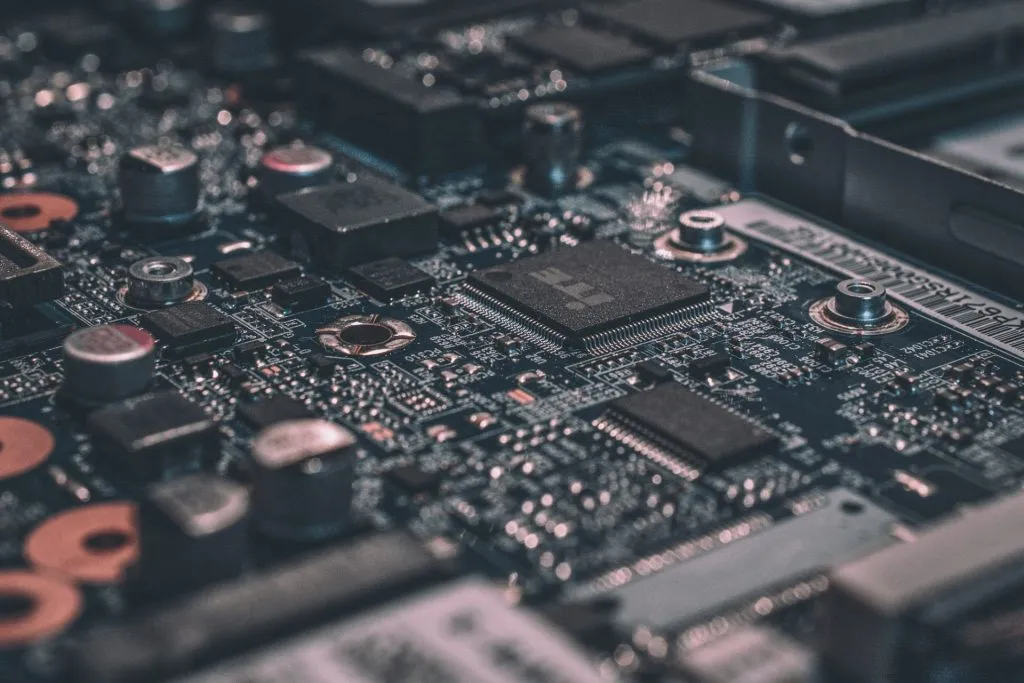
The IMF’s recognition comes as Thailand’s electronics sector has become one of the nation’s fastest-growing export industries, fueled by surging global demand for AI infrastructure, cloud computing, and data center equipment.
Trade figures for the first five months of 2026 emphasize the shift, with electronics exports climbing about 41.5% year-on-year to THB1.295 trillion. Shipments of telecommunications equipment also soared 148% while computer-related products rose 37%.
The United States remained the industry’s biggest growth market, with Thai electronics exports jumping more than 70%, while shipments to Singapore and Malaysia also posted triple-digit gains. These figures highlight Thailand’s increasingly prominent position within regional technology supply chains.
The performance contrasts sharply with Thailand’s more traditional electrical appliance sector, where exports rose at around 4.3%, suggesting growth is increasingly concentrated in higher-value technology products rather than conventional manufacturing.
Building an AI manufacturing ecosystem
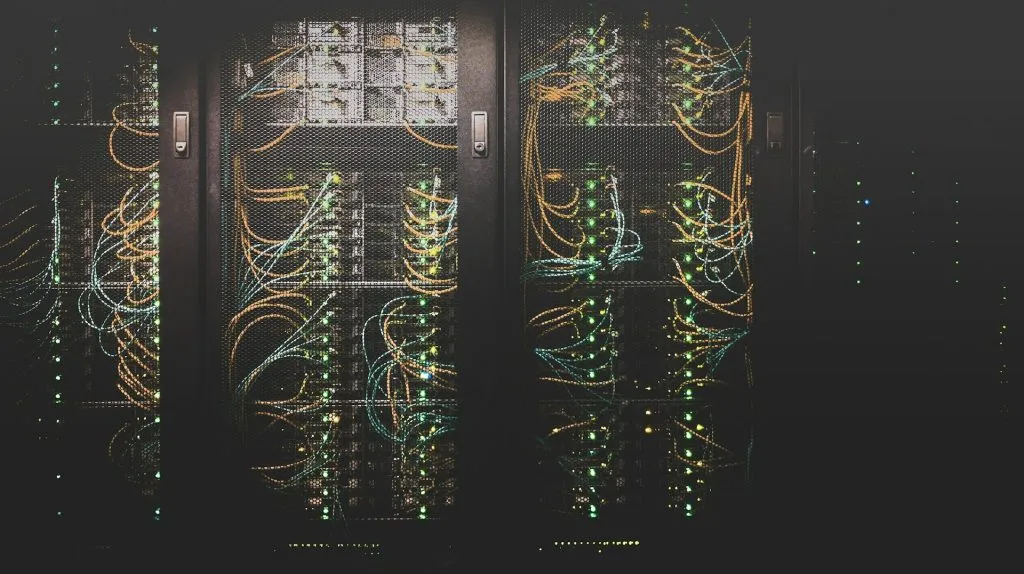
The Thai government is moving beyond simply expanding exports by creating an ecosystem capable of supporting advanced manufacturing and attracting multinational investment.
Key initiatives include expanding digital and energy infrastructure, developing a more highly skilled workforce through training and research programs, improving investment facilitation, and establishing a National Semiconductor Policy Committee to coordinate industry development.
The government also continues to promote international cooperation on AI governance, advocating what it describes as a people-centered approach that balances innovation with transparency, responsible regulation, and the protection of citizens’ rights.
Spokesperson Rachada said the broader objective is to direct Thailand towards becoming a regional center for AI and semiconductor industries, creating higher-skilled employment, encouraging technology transfer, and raising incomes.
Momentum, with challenges ahead
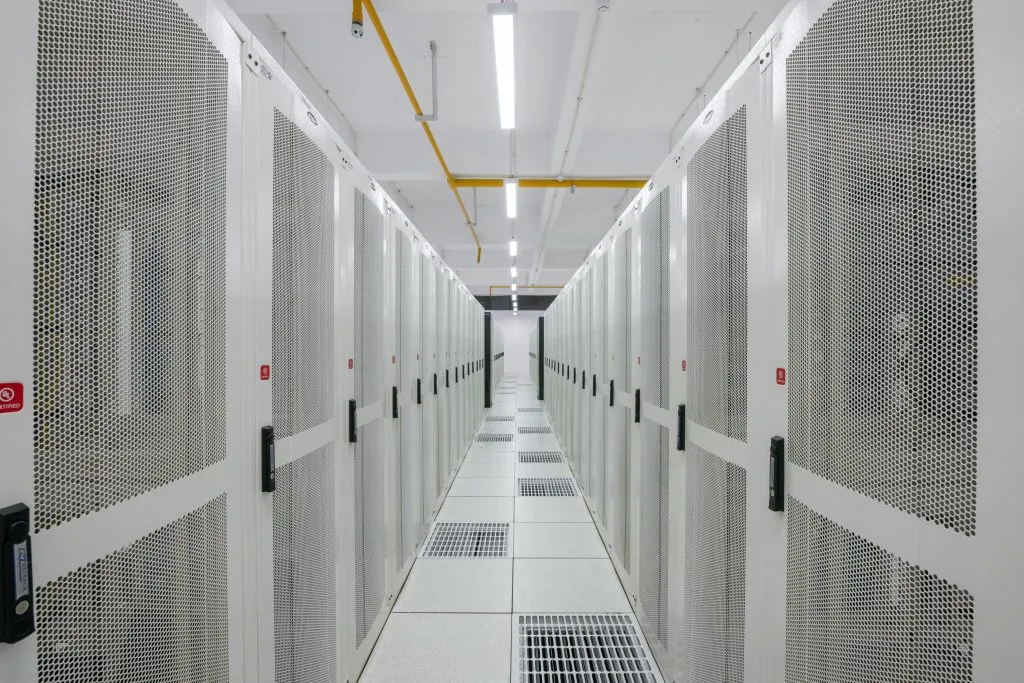
Samphan Silapanad, President of the Electronics and Computer Employers Association and an adviser to Thailand’s Board of Investment (BOI), said Thailand’s manufacturing base has benefited from booming global AI investment. Many factories now operate at or near full capacity to meet demand for servers, storage devices, and electronic components used in AI infrastructure.
However, rapid growth has also exposed vulnerabilities. Electronics imports more than doubled during the first five months of the year, reflecting Thailand’s continued reliance on imported components throughout the manufacturing chain even as exports continue to accelerate.
Still, the IMF’s latest assessment suggests Thailand’s economic growth is becoming increasingly tied to technology investment rather than relying primarily on tourism, reinforcing the country’s emergence as a critical Asian manufacturing hub for the AI era.
source :
.png)
Thailand Trade and Economic Office (Taipei)
| เวลาทำการ |
วันจันทร์ - ศุกร์ | 9:00-12:00, 14:00-17:00 |
|
| 🕿 | บริการคนไทย | (8862) 2775 2211 |
| Thai Visa | (8862) 2773 1100 | |
| 🖷 | Fax | (8862) 2740-3300 |
| 🖅 | General Affairs | [email protected] |
| บริการคนไทย | [email protected] | |
| Thai Visa | [email protected] | |